
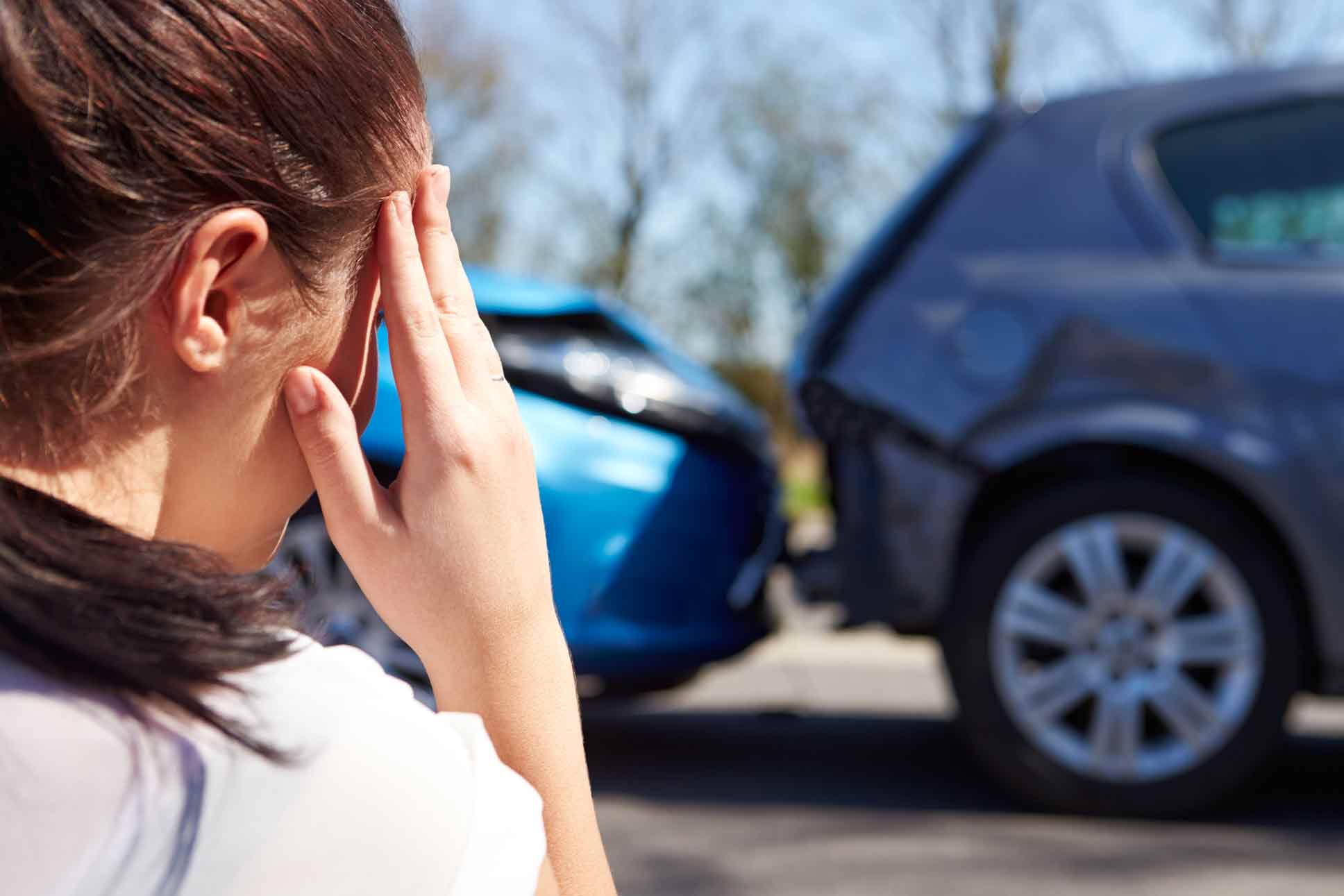
If you are involved in a car accident in Los Angeles, the first few hours can affect your health, insurance claim, and ability to preserve important evidence.
Start with safety. Get medical attention when needed, document the accident, exchange required information, notify your insurance company, and keep records of your injuries and losses. California’s Department of Insurance also recommends stopping, contacting emergency services when appropriate, gathering information, photographing the scene, and promptly notifying your insurer.
What to Do in the First 10 Minutes After a Car Accident
Check for injuries and get to safety
Check yourself, your passengers, and others involved in the collision.
Call 911 if anyone is injured or needs emergency medical attention. If your vehicle can be moved safely and is creating a traffic hazard, move it to a safer location.
Do not move someone who appears seriously injured unless doing so is necessary to avoid an immediate danger.
If the accident involves a hit-and-run, suspected impaired driving, or another serious safety concern, notify law enforcement.
California law requires a driver involved in an accident causing injury or death to stop and fulfill specified duties at the scene.
Exchange Information After a Los Angeles Car Accident
Once everyone is safe, exchange the information required by California law.
Under California Vehicle Code §16025, drivers involved in an accident generally must exchange information including:
- Name and current address
- Driver’s license number
- Vehicle identification number
- Registered owner’s information
- Insurance or other evidence of financial responsibility
The statute also requires the applicable insurance company information and policy number when financial responsibility is provided through insurance.
Also collect:
- License plate number
- Names and contact information of passengers
- Names and contact information of witnesses
- Photographs of insurance and identification documents, when appropriate
Do not argue with the other driver or speculate about who caused the accident.
Document the Accident Scene
If it is safe, photograph the scene before vehicles or evidence are moved.
Take pictures of:
- Damage to every involved vehicle
- Vehicle positions
- Road conditions
- Traffic signals and signs
- Lane markings
- Skid marks or debris
- Visible injuries
- Nearby property damage
- Weather or lighting conditions
Take both wide photographs of the entire scene and close-up photographs of the damage.
If businesses or homes near the accident have security cameras, make a note of their locations. Video footage can become important evidence, but it may not be retained indefinitely.
Get Medical Attention After a Car Accident
Some injuries may not be obvious immediately after a collision.
If you have pain, dizziness, headaches, numbness, weakness, confusion, or other concerning symptoms, seek medical attention. Even when symptoms initially appear minor, a medical evaluation can help identify injuries and establish appropriate treatment.
The California Department of Insurance recommends seeking medical attention after an accident and documenting injuries and losses related to the claim.
Do not delay necessary medical care simply because you are waiting to see whether the pain gets worse.
If symptoms develop later, tell your healthcare provider when they began and explain that they followed the accident.
Notify Your Insurance Company
Contact your insurance company as soon as reasonably possible after the accident.
Provide the basic facts and follow your policy’s claim procedures. Your insurer may investigate the accident, inspect your vehicle, request documentation, and assign an adjuster.
Review your declarations page to understand your coverage, limits, and deductibles. The California Department of Insurance explains that the declarations page provides important information about the policy and its coverage.
If you are unsure what your policy covers, ask your insurer for an explanation and keep copies of important communications.
What Not to Do After a Los Angeles Car Accident
A few mistakes can make an accident claim more difficult.
Do not admit fault at the scene
Be cooperative, but avoid statements about who caused the collision before all the facts are known.
You can provide factual information to law enforcement and your insurer without making conclusions about liability.
Do not argue with the other driver
Keep the interaction focused on safety and exchanging information. California’s Department of Insurance specifically advises accident victims not to argue with other drivers or passengers.
Do not sign documents you do not understand
Do not sign a settlement, release, statement, or other document simply because another driver, insurer, or representative asks you to do so.
If you are unsure what a document means, obtain appropriate advice before signing it.
Do not post details of the accident on social media
Avoid posting photographs, statements, or comments about the accident, your injuries, or your claim.
Do not throw away damaged property
Keep relevant evidence such as damaged personal items, photographs, repair records, and other documents until you understand whether they may be important to your claim.
California SR-1 Accident Report: When Do You Have to File?
California has a separate DMV reporting requirement.
You or your insurance agent, broker, or legal representative must file an SR-1 Report of Traffic Accident with the DMV within 10 days when:
- Anyone is injured or killed, regardless of how minor the injury is; or
- Property damage is more than $1,000.
The SR-1 is required even if the accident was reported to law enforcement or your insurance company.
What If the Other Driver Has No Insurance?
If the at-fault driver does not have applicable insurance, check whether your own policy includes uninsured motorist (UM) coverage.
UM coverage may provide protection when an at-fault driver has no insurance. Underinsured motorist (UIM) coverage may apply when the other driver’s insurance is not enough to cover your damages, subject to the policy and California law. The California Department of Insurance explains that UM/UIM coverage is designed for accidents where the other driver is at fault and either has no insurance or insufficient insurance.
What If You Were Partly at Fault?
Being partly responsible for an accident does not automatically mean you cannot recover damages.
California uses comparative negligence, so fault can affect the amount of compensation available.
The evidence gathered immediately after the accident can become important when liability is disputed.
If the other driver claims you caused the crash, preserve photographs, witness information, video, vehicle damage records, and other evidence that may help establish what happened.
Special Deadlines for Government Claims
A different set of rules can apply when a government entity may be legally responsible for an accident.
For example, a potential claim may involve:
- A government vehicle
- A public employee
- A dangerous roadway condition
- A defective traffic signal
- Poorly maintained public property
California Government Code §911.2 generally requires claims for injury to a person or personal property to be presented within six months of accrual. Additional rules apply after a claim is presented or rejected.
If a government entity may be involved, do not assume the ordinary personal injury deadline applies.
Los Angeles Car Accident Checklist: First 72 Hours
Use this quick checklist after a Los Angeles car accident:
- Get to safety and call 911 when necessary.
- Exchange driver, vehicle, and insurance information.
- Take photographs and preserve evidence.
- Get medical attention for injuries or concerning symptoms.
- Notify your insurance company promptly.
- Keep medical and accident-related records.
- Check your insurance policy for applicable coverage.
- Avoid admitting fault or signing documents you do not understand.
- File an SR-1 within 10 days when California’s reporting requirements apply.
- Get legal advice promptly if the accident involves serious injuries, disputed fault, an uninsured driver, or a potential government claim.
Frequently Asked Questions
Do I have to report a car accident to the DMV in California?
You must file an SR-1 within 10 days if anyone is injured or killed or property damage exceeds $1,000. This requirement is separate from reporting the accident to police or your insurance company.
Should I call the police after a car accident in Los Angeles?
Call 911 when there are injuries or an immediate safety emergency. For other accidents, contacting law enforcement can also be appropriate depending on the circumstances, particularly when there is a hit-and-run, suspected impairment, significant damage, or a dispute.
What information should I exchange after a California car accident?
California Vehicle Code §16025 requires drivers who are able to do so to exchange specified driver, vehicle, registered-owner, and financial-responsibility information.
Should I notify my insurance company if the accident was not my fault?
Yes. Notify your insurer promptly and follow the notice requirements in your policy. The California Department of Insurance recommends immediately notifying your agent or insurance company after an accident.
What if I do not feel injured immediately after the accident?
Some injuries may become noticeable later. If you develop symptoms, seek appropriate medical attention and explain when the symptoms began.
What if the other driver does not have insurance?
Check your own policy for uninsured motorist coverage. Depending on the circumstances, UM coverage may provide another source of compensation for covered losses.
When Should You Contact a Los Angeles Car Accident Lawyer?
Consider speaking with a Los Angeles car accident lawyer when:
- You suffered serious or permanent injuries.
- Fault is disputed.
- The other driver was uninsured or underinsured.
- The accident involved a hit-and-run.
- The insurance company disputes your claim.
- You have substantial medical expenses or lost income.
- A government vehicle or roadway condition may be involved.
- You are being asked to sign a settlement or release.
Legal advice can be particularly important when multiple insurance policies, disputed liability, serious injuries, or special filing deadlines are involved.
RA & Associates represents injured clients in California motor vehicle and personal injury matters. If you were injured in a Los Angeles accident, you can learn more about our Los Angeles car accident lawyers or LA personal injury lawyers.
Get Help After a Los Angeles Car Accident
The first few hours after a crash are mainly about safety, medical care, evidence, and proper reporting.
Do not worry about proving your entire case at the scene. Focus on preserving the information that may matter later: photographs, witnesses, medical records, insurance information, and official reports.
If the accident involves serious injuries, disputed fault, uninsured or underinsured coverage, or a potential government claim, getting legal advice early can help you understand the applicable deadlines and protect your options.

Romel Ambarchyan
Romel Ambarchyan is the Founding Partner and Managing Attorney at RA & Associates. With more than 10 years of experience in personal injury law, he reviews legal content to help ensure it is accurate, up to date, and aligned with current legal standards.